Practical notes on enterprise automation diagnosis
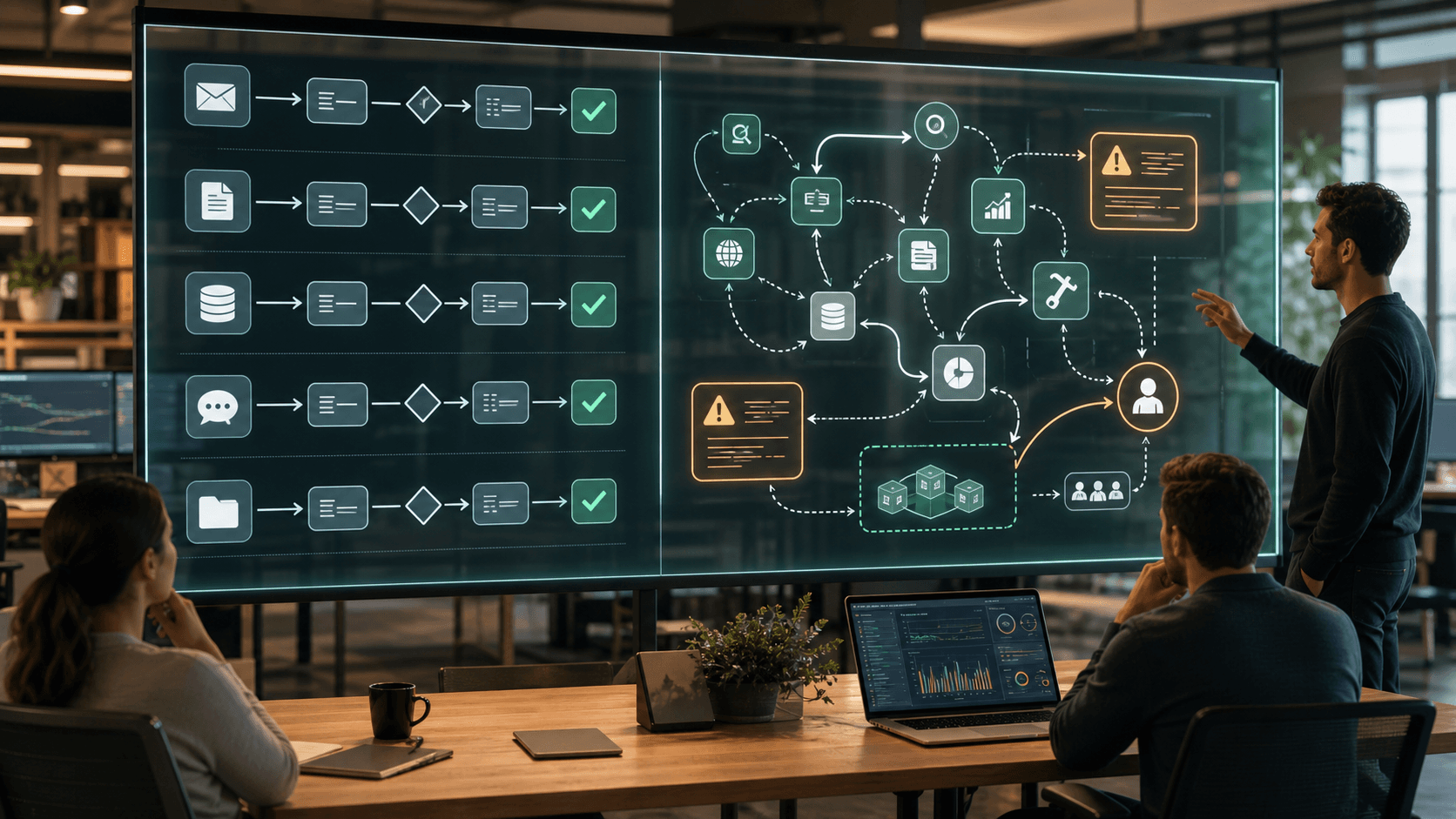
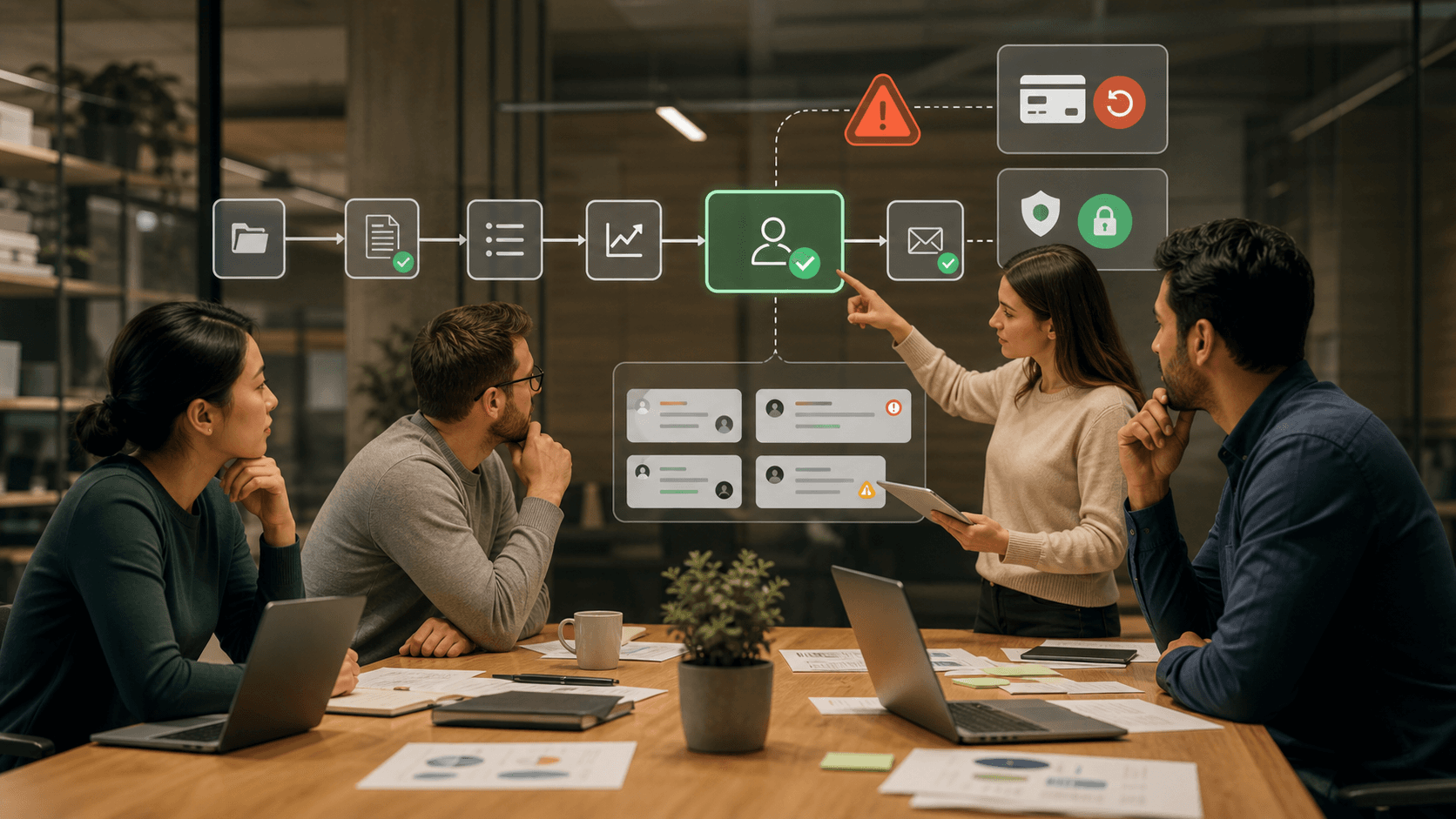
Short field notes for deciding what to automate, what to keep under human approval, and when a free fit check should become PRD + workflow design.
Diagnosis lens
01 / Fit Check
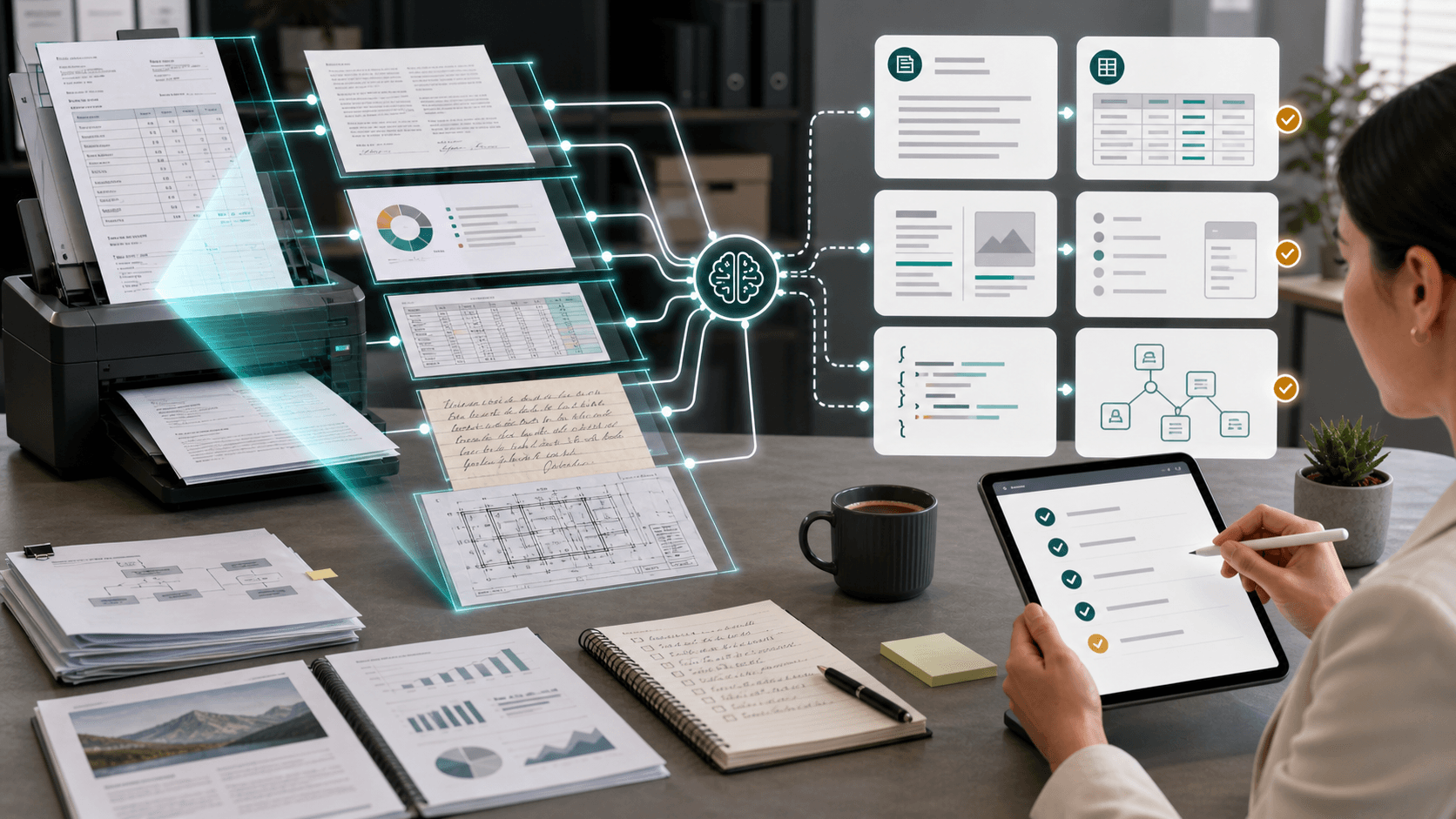
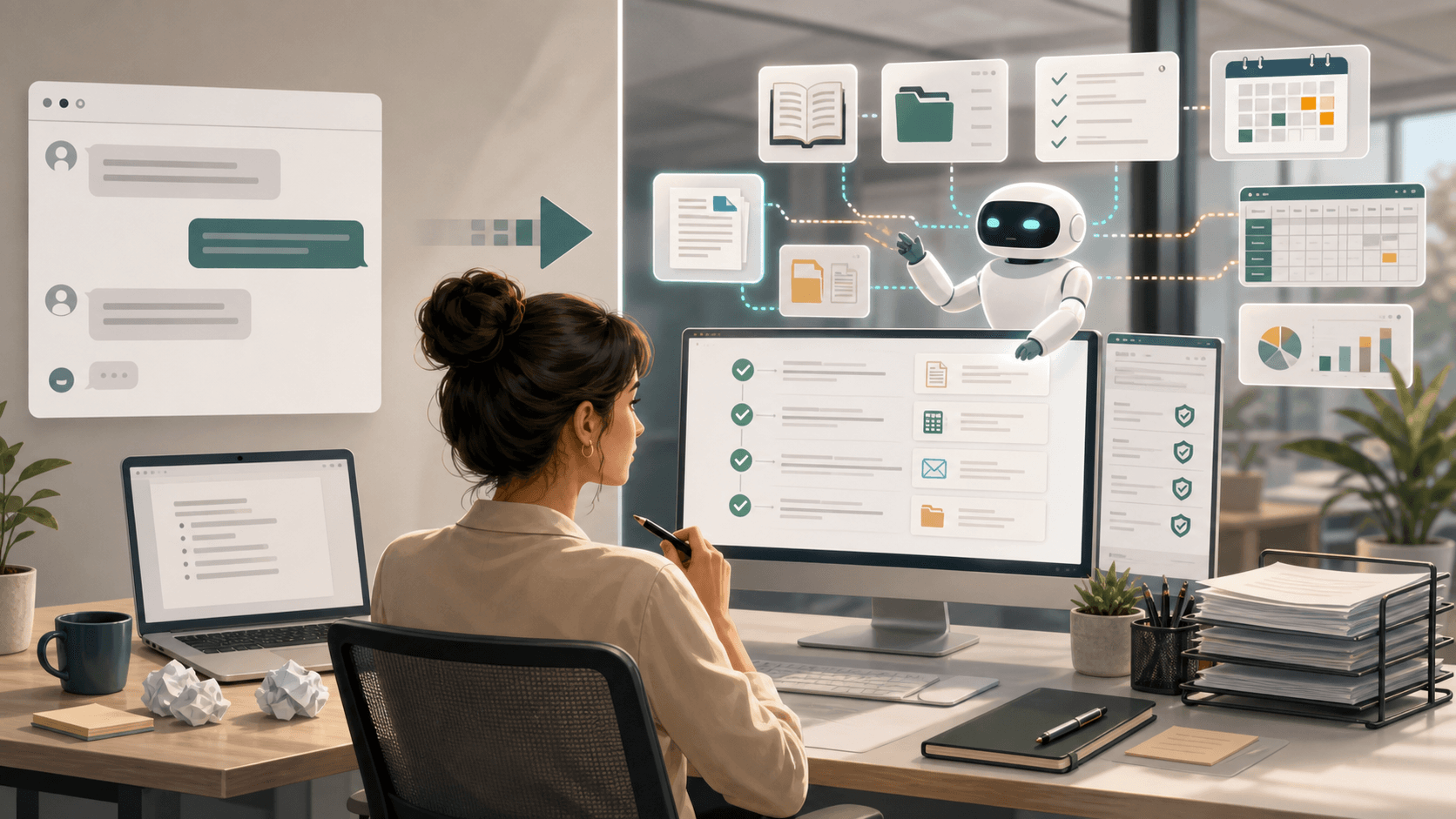
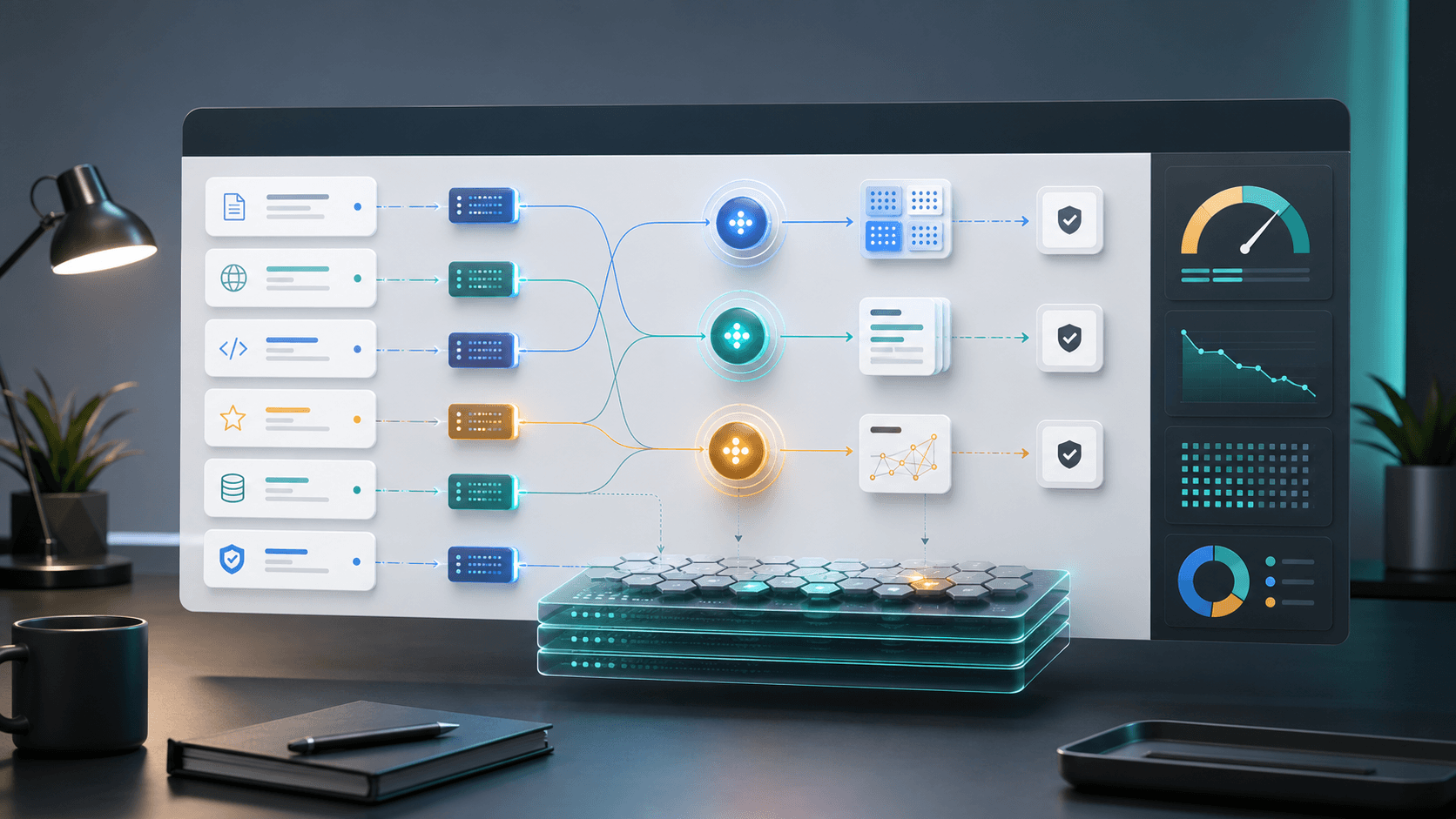
MinerU for business teams: an open-source way to turn PDFs and scans into AI-readable files
MinerU is an open-source document parsing tool that converts PDFs, images, Word, PowerPoint, and spreadsheets into structured Markdown and JSON. Here is what nontechnical teams can use it for, and where they still need sample tests and human review.
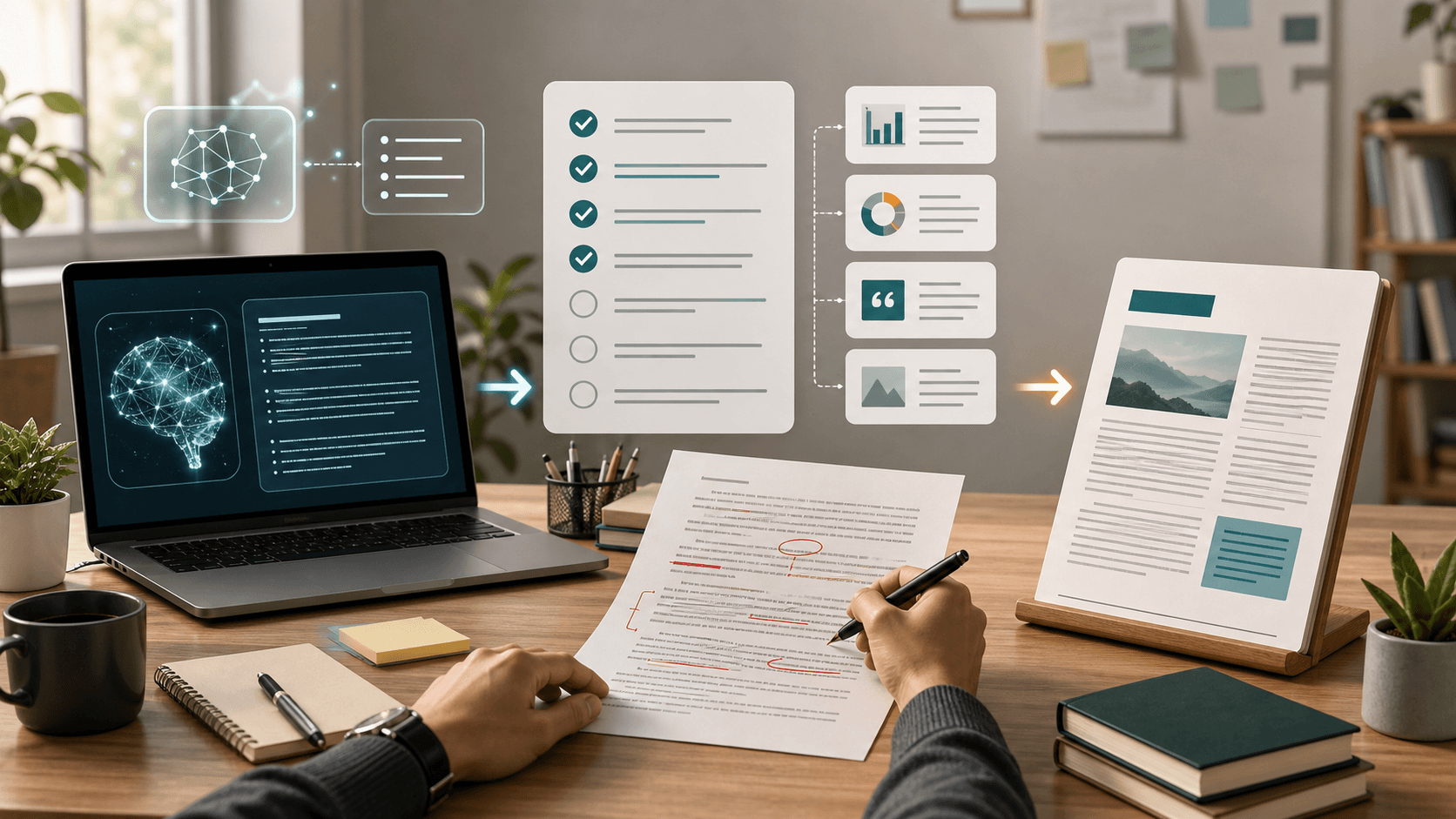
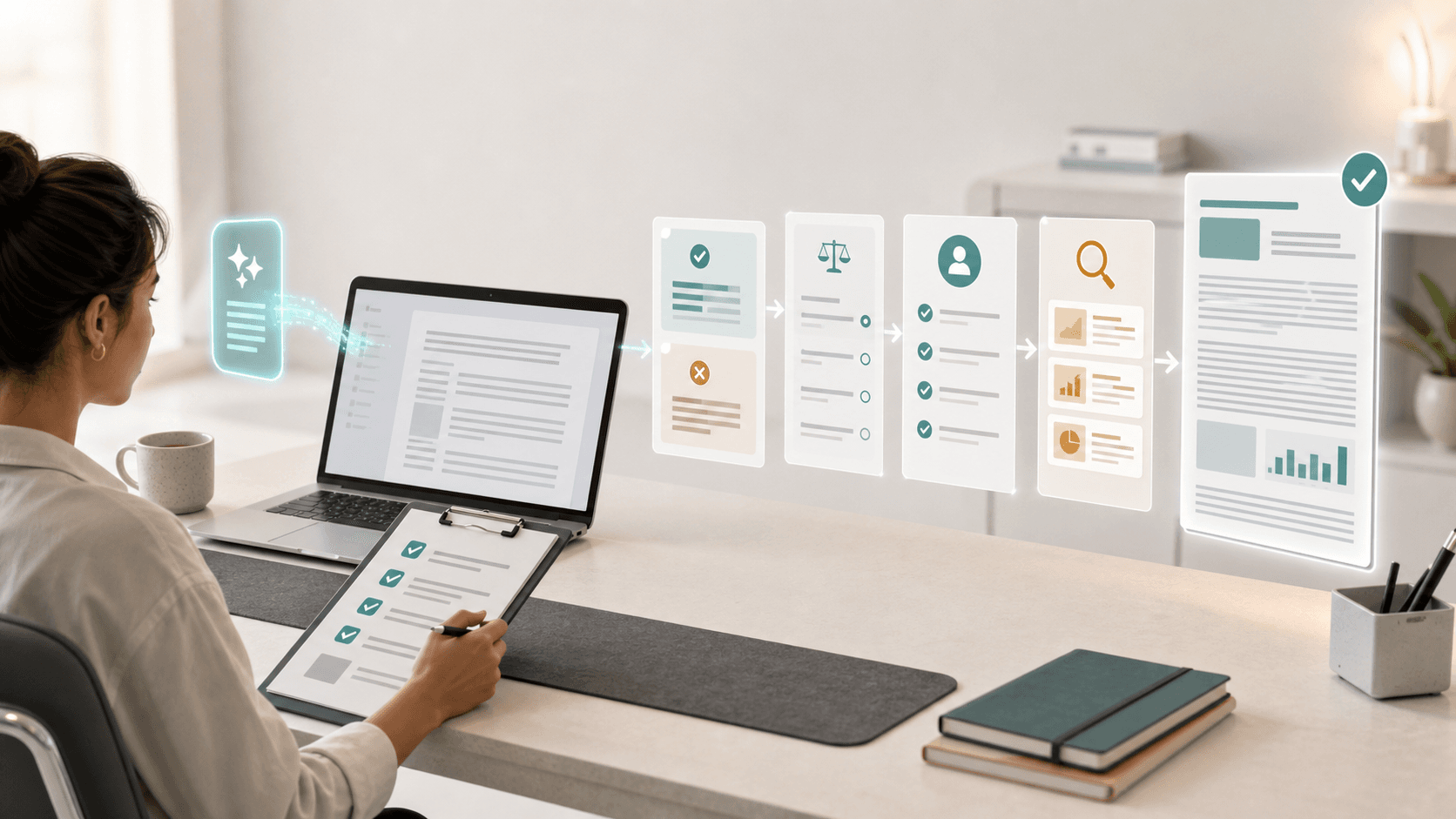
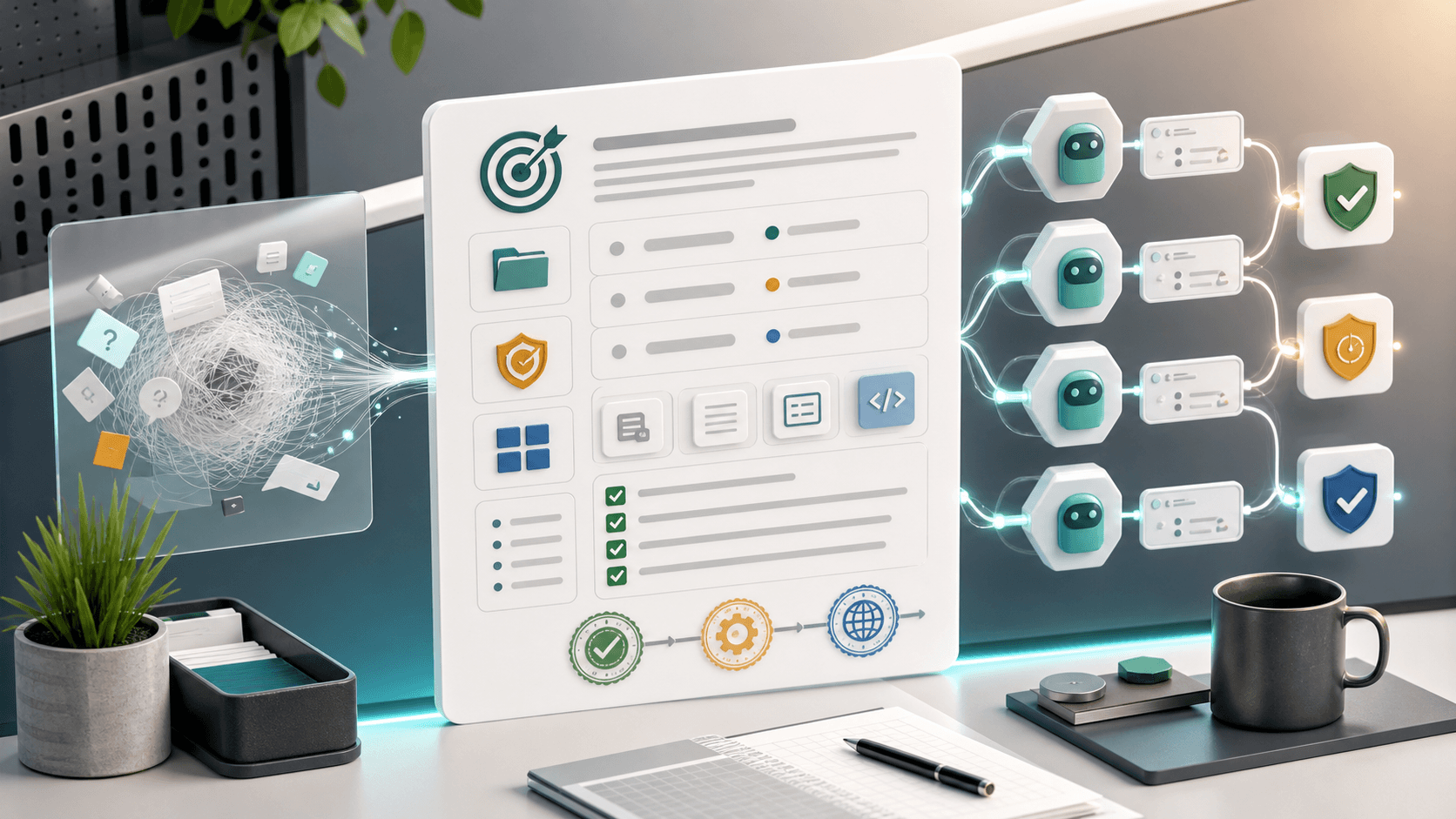
The real reason AI writing quality varies: the standard of a good result matters more than the prompt
AI can write polished paragraphs. The harder part is making those paragraphs useful, specific, and worth publishing. That starts with a clear standard for what a good result means.
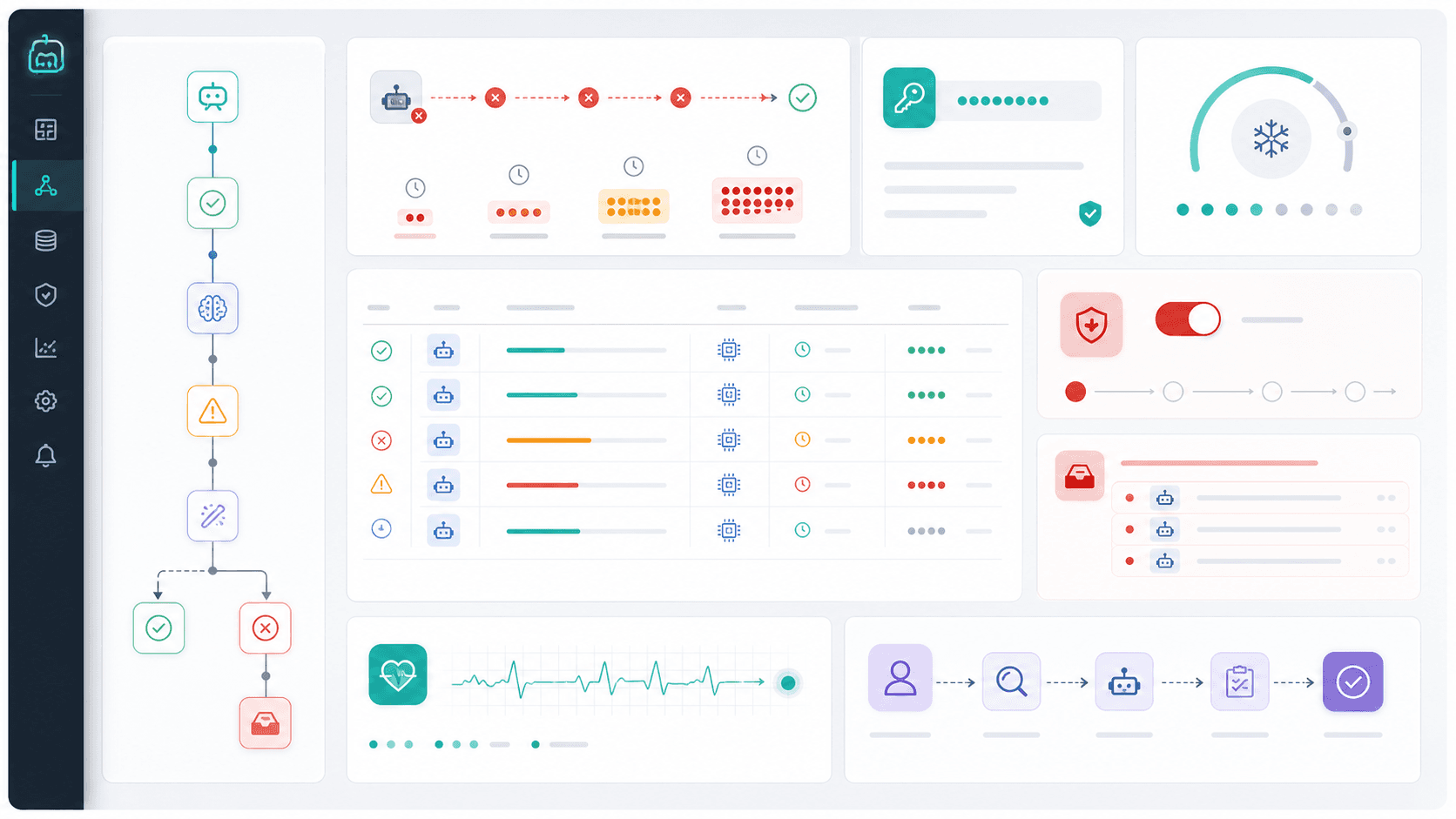
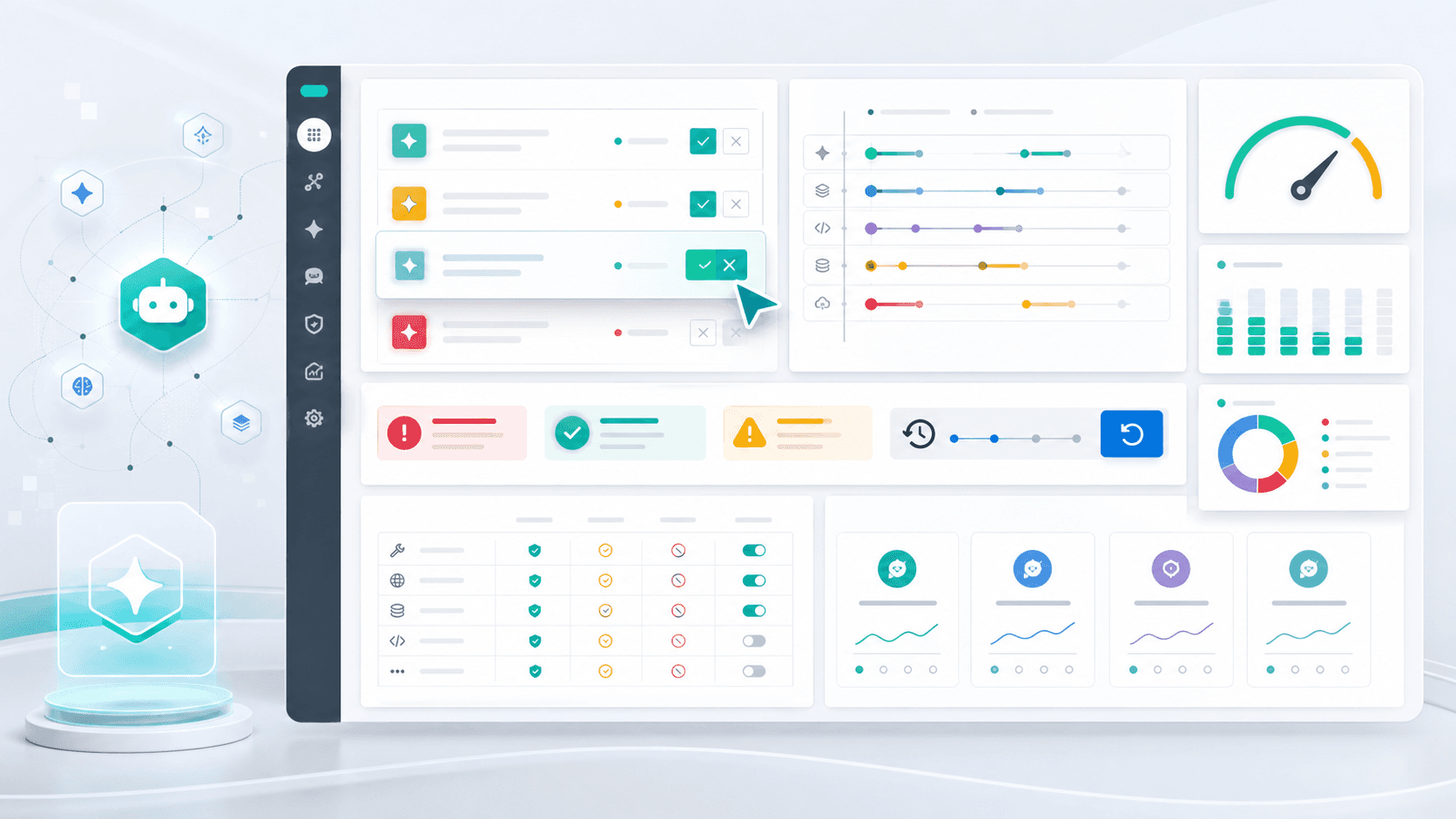
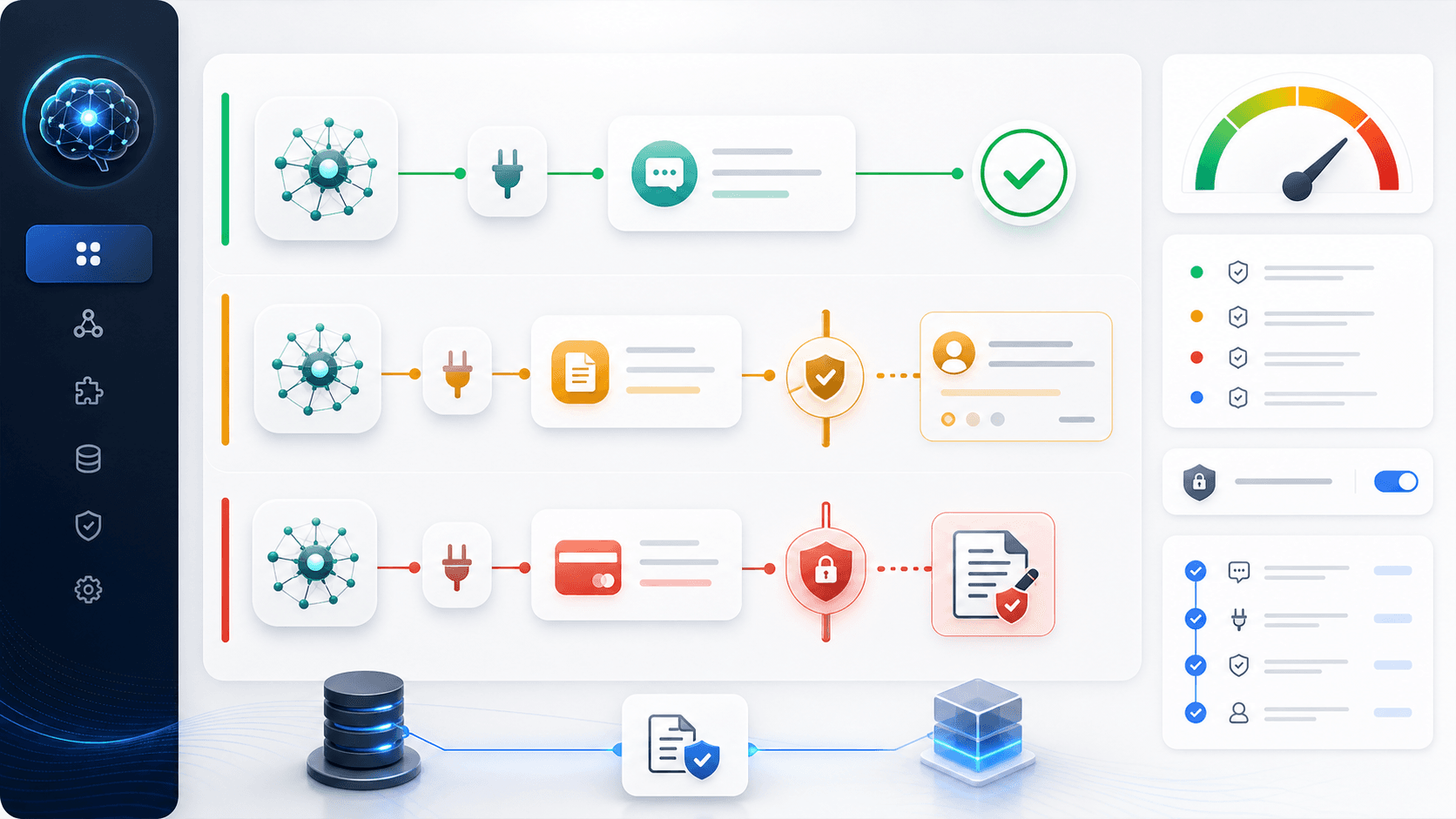
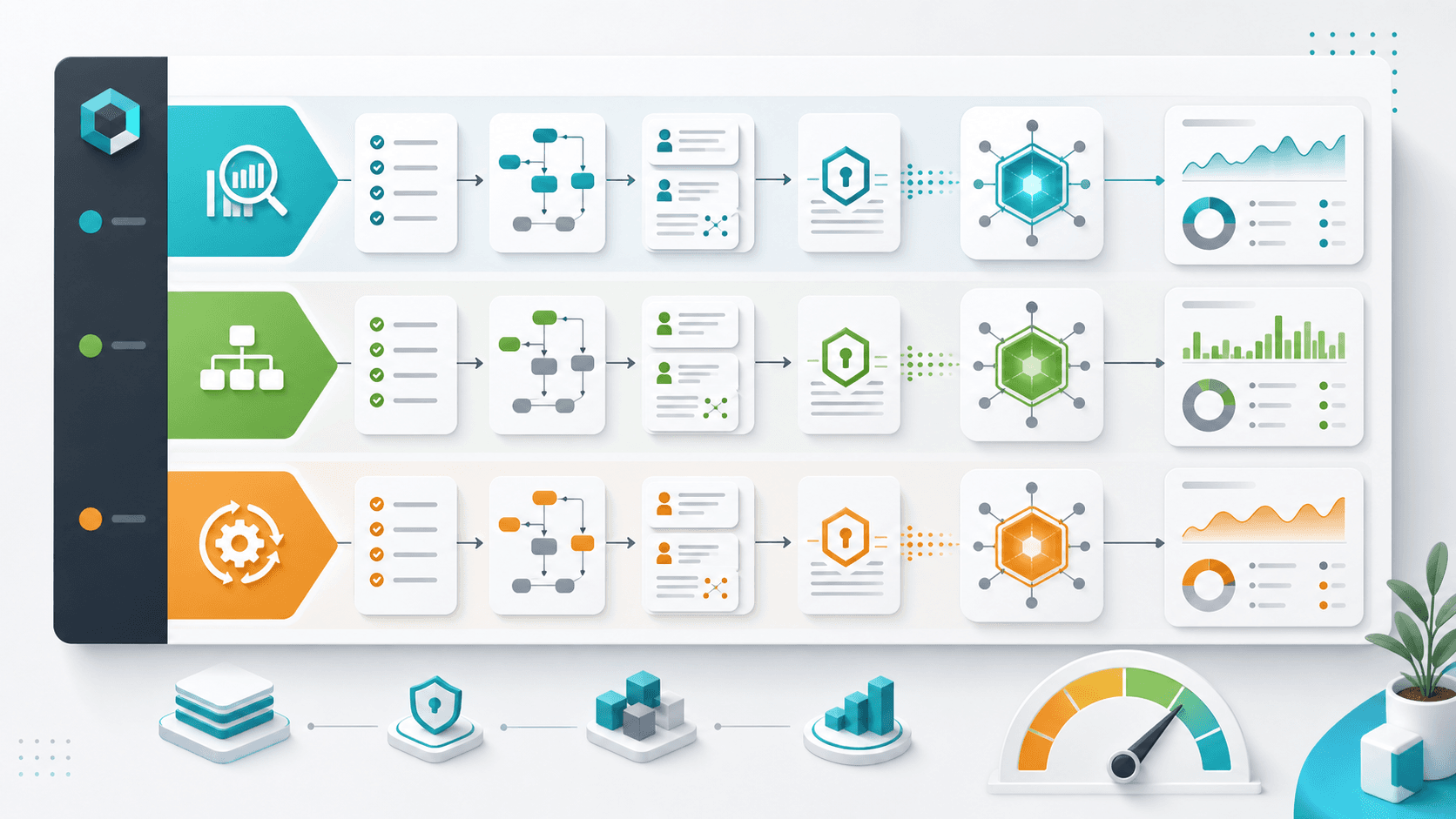
How to sell AI help as diagnosis, setup, and daily operations
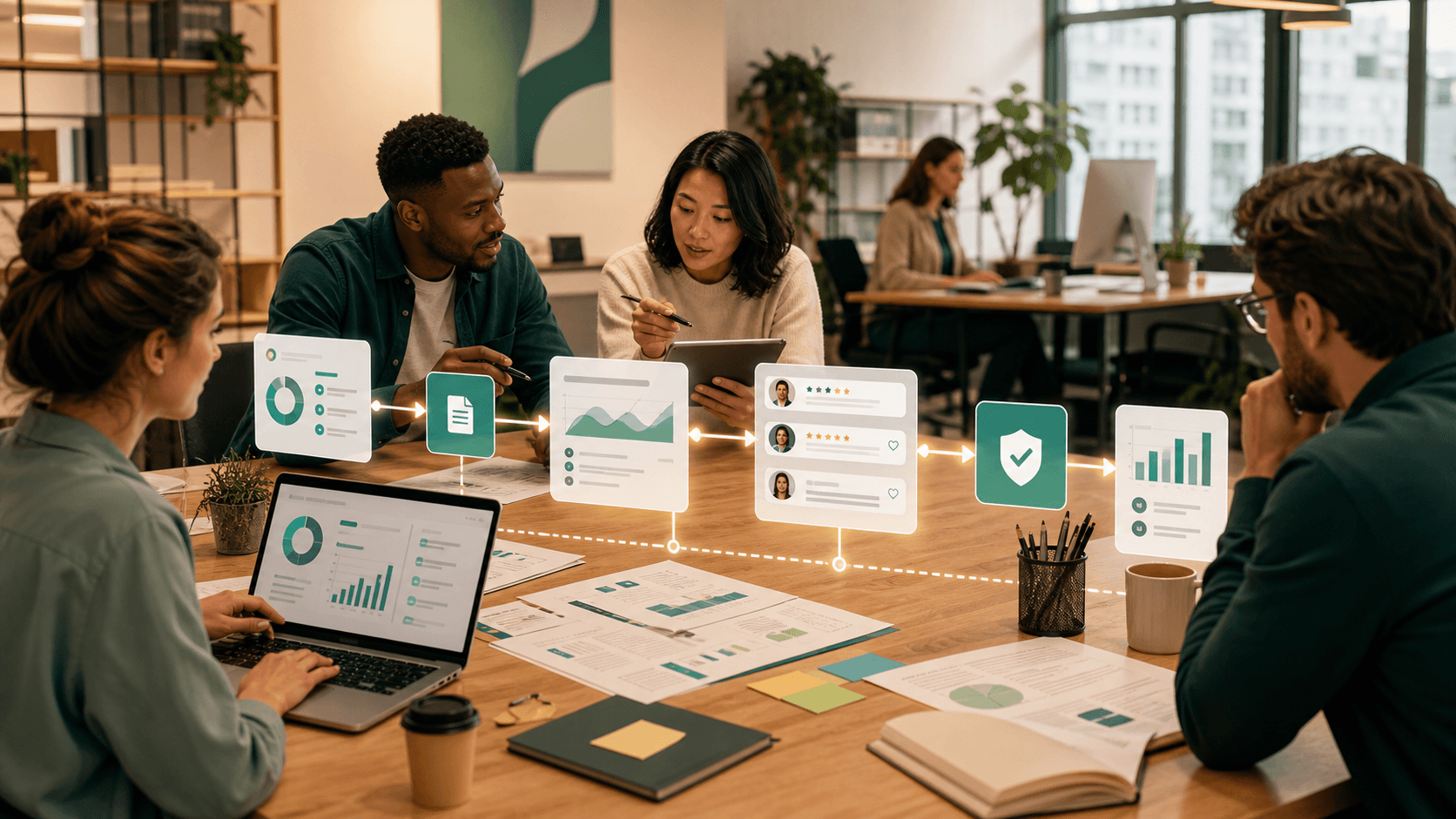
The easiest AI agent offer to describe is "we automate your work." The easier offer to buy is different: diagnose the right workflow, install the first safe agent, and operate it every month with logs, evals, permissions, and improvements.
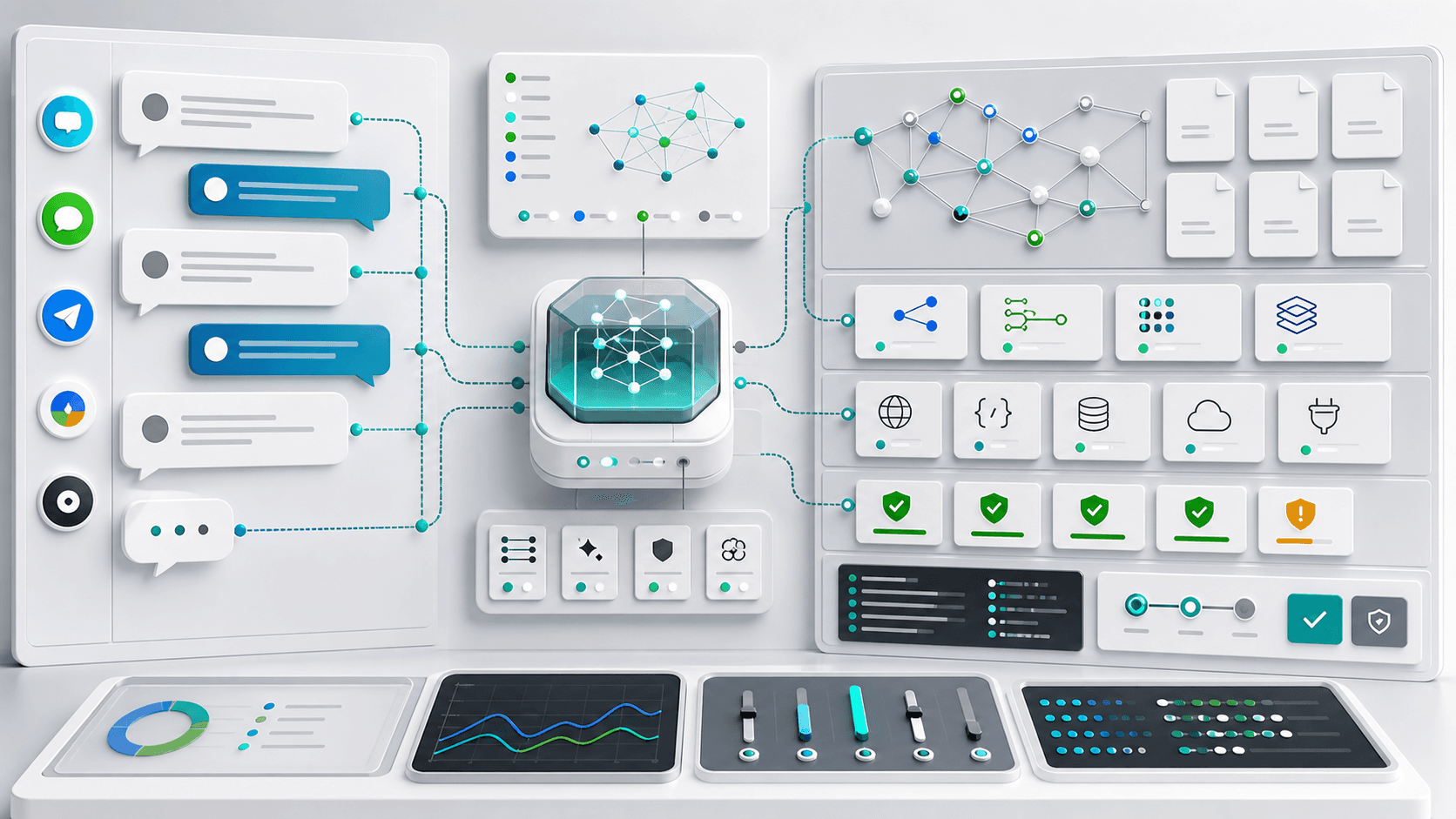
What a personal AI work assistant needs to run reliably
A useful personal AI agent is not just a smarter chat box. It needs an operating wrapper: a messenger interface, runtime, source-of-truth knowledge, MCP tools, reusable skills, approvals, logs, healthchecks, and a failure-learning loop.
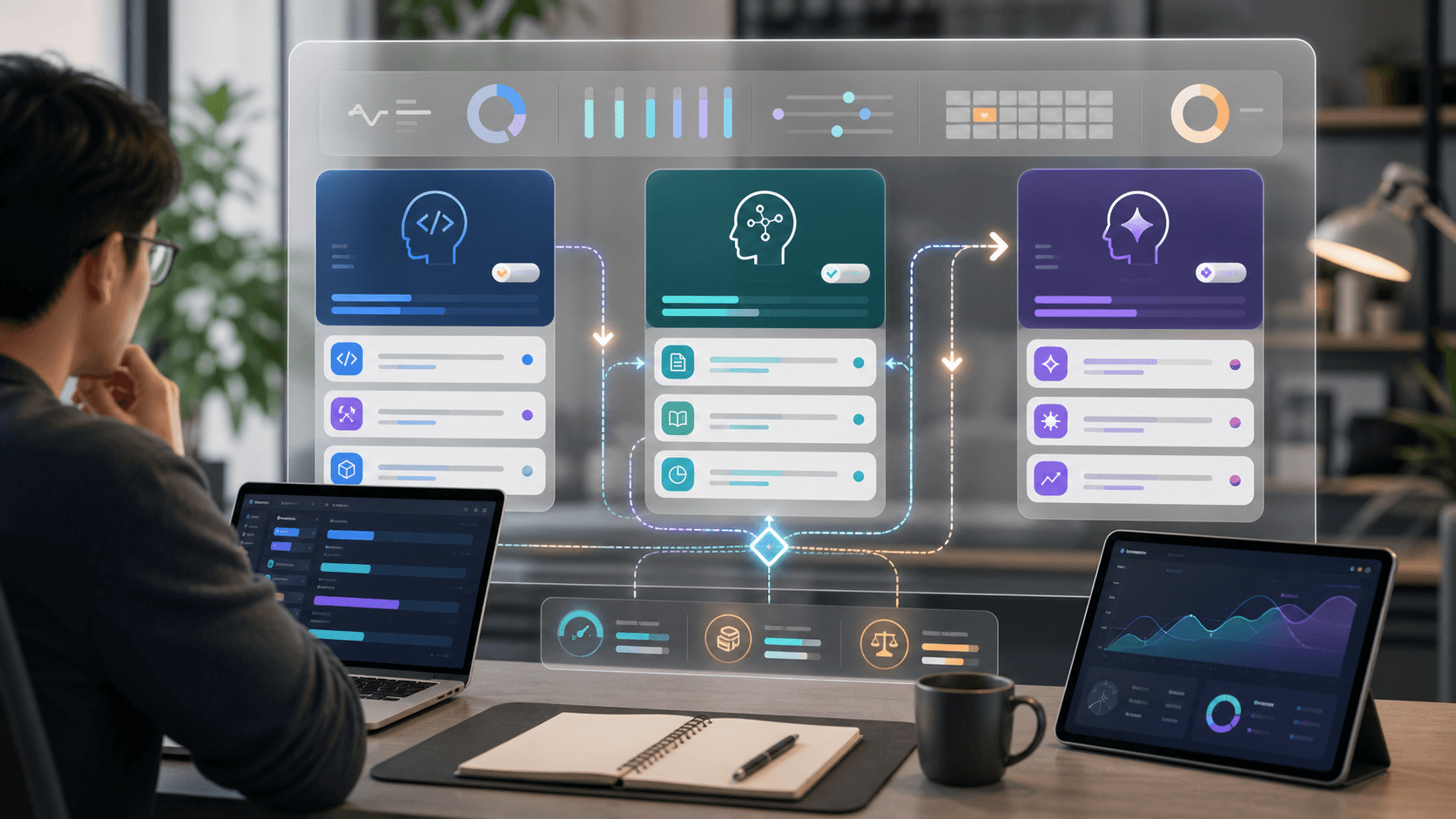
Which AI subscription should you use now? Match each tool to the job
As of June 12, 2026, the strongest answer is not one subscription. Use Codex for implementation loops, Claude for long-context judgment, and Fable 5 selectively during its June 9-22 subscription promotion.
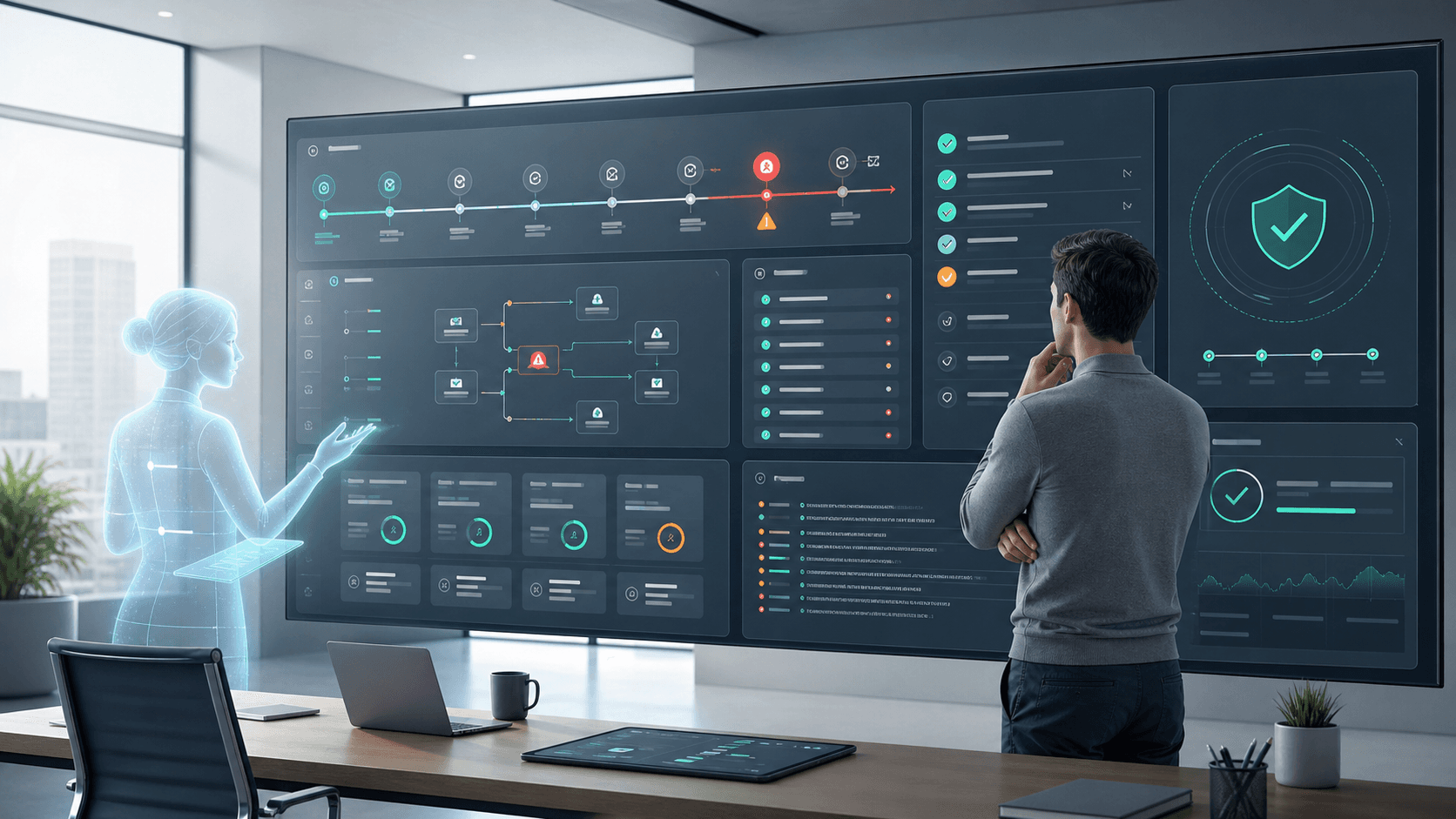
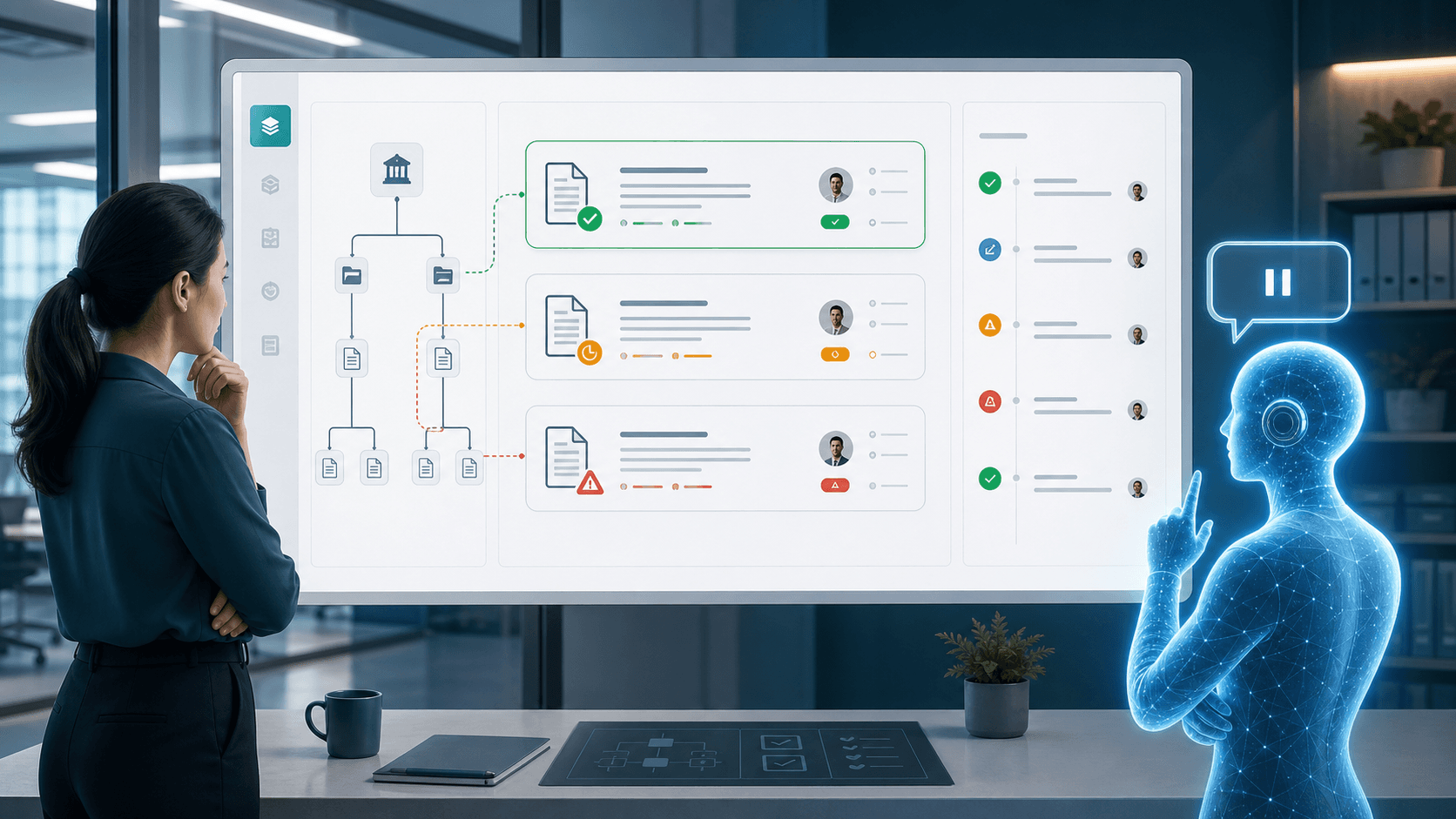
How to keep AI from trusting stale company knowledge
Company knowledge becomes risky when an AI agent can retrieve it but cannot tell whether it is current, authoritative, or contradicted by a newer source. Design source-of-truth, freshness, conflict, and escalation rules before scaling agent access.
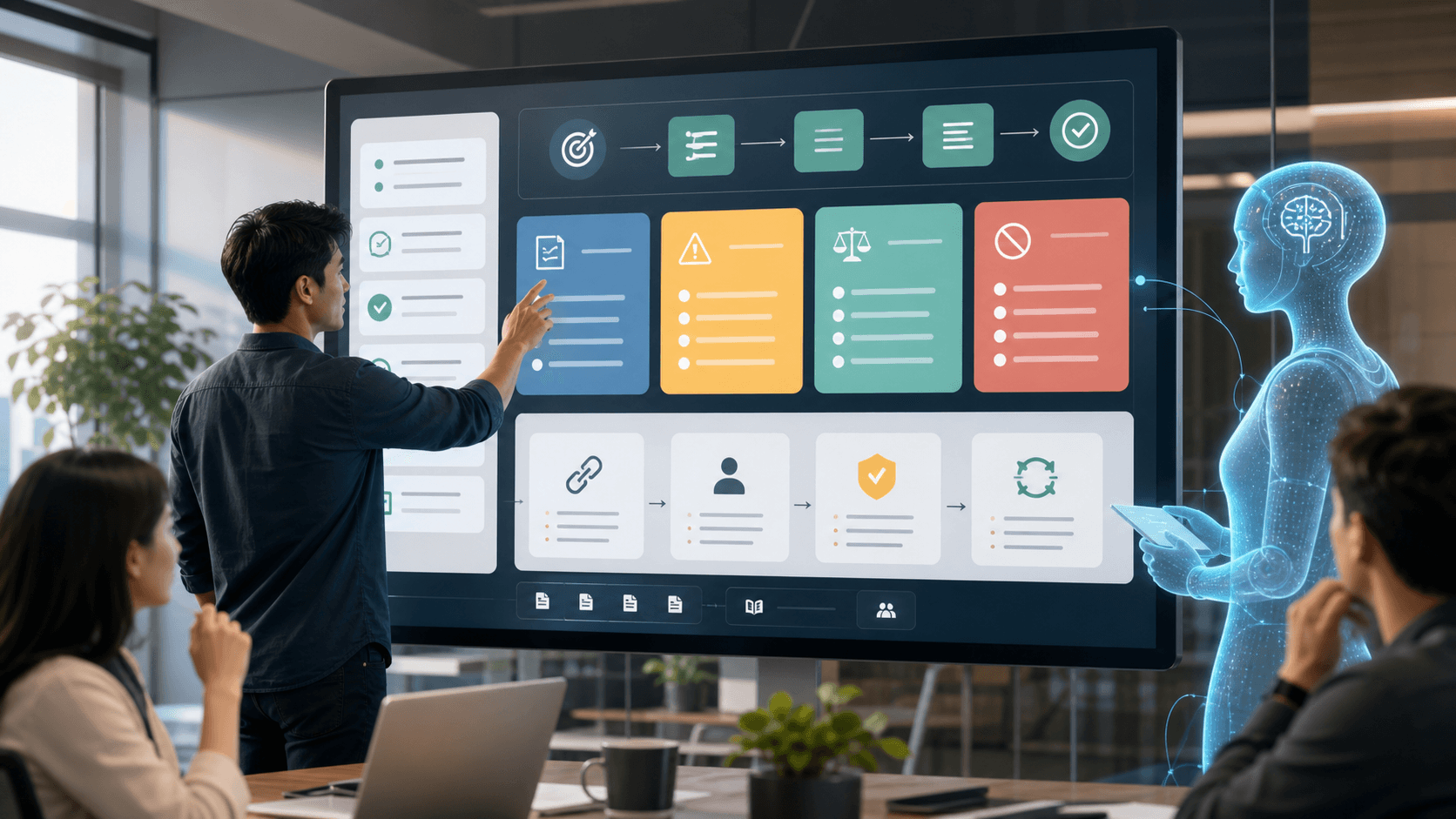
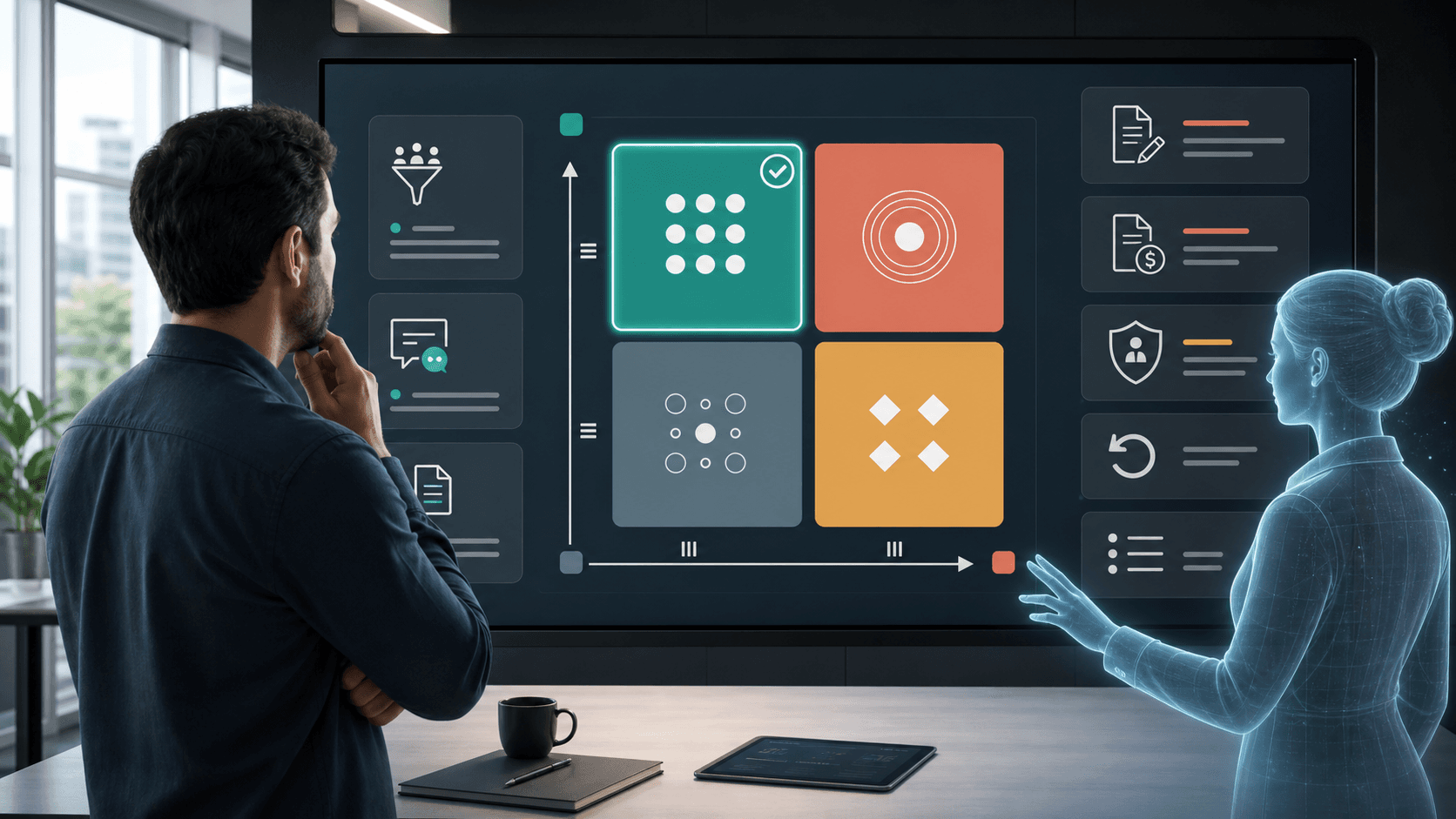
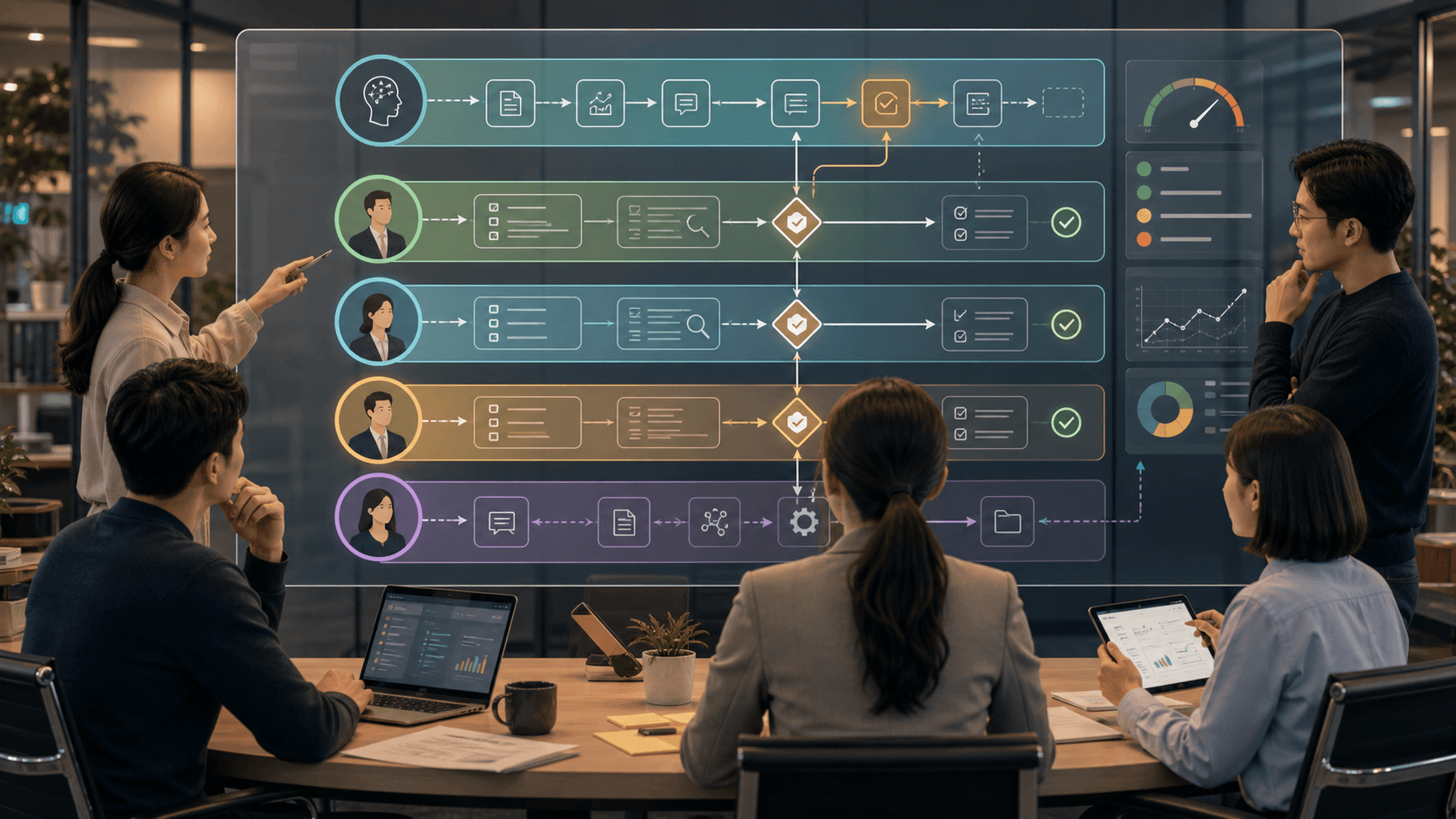
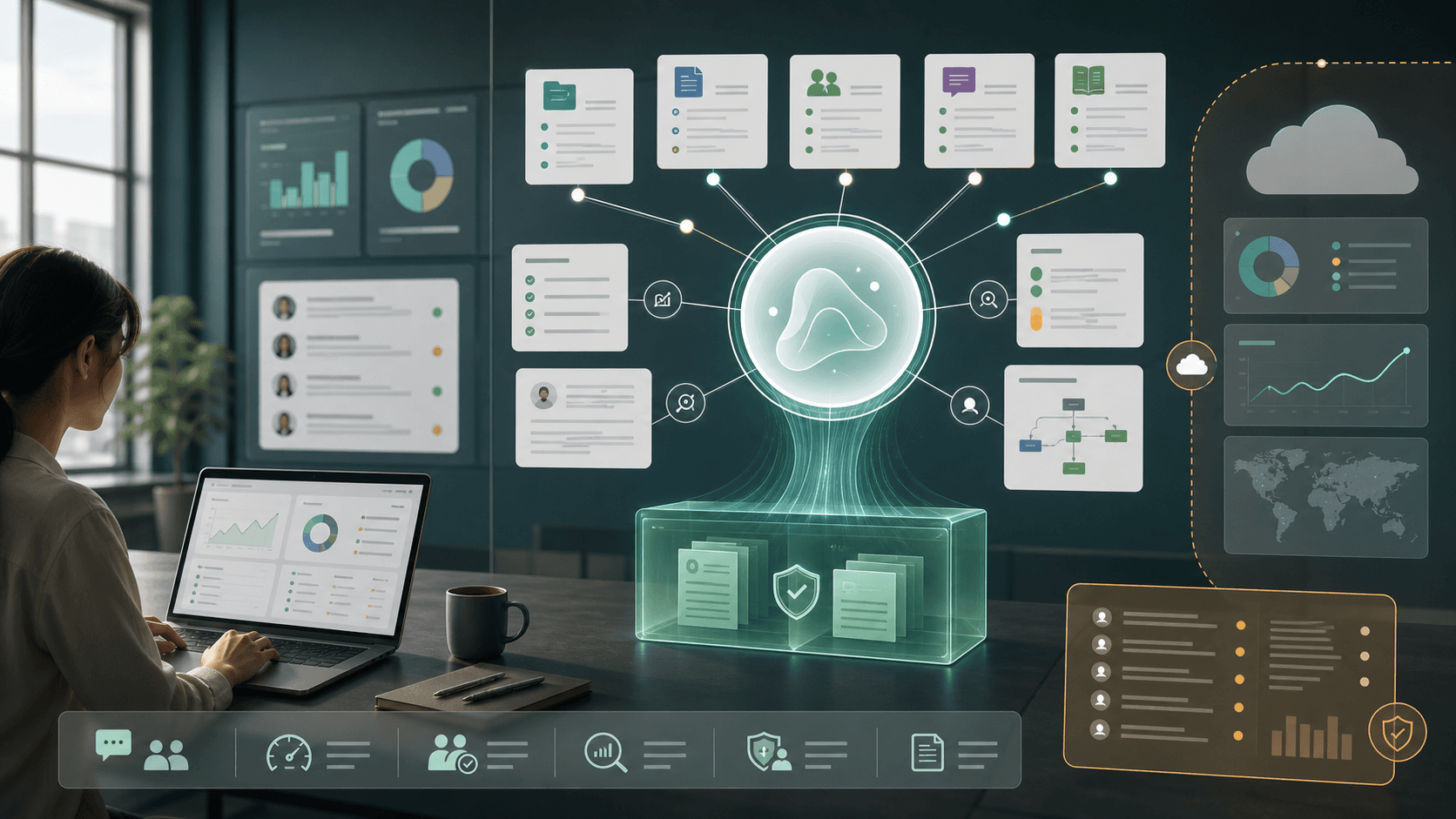
What gets better when AI can read company knowledge?
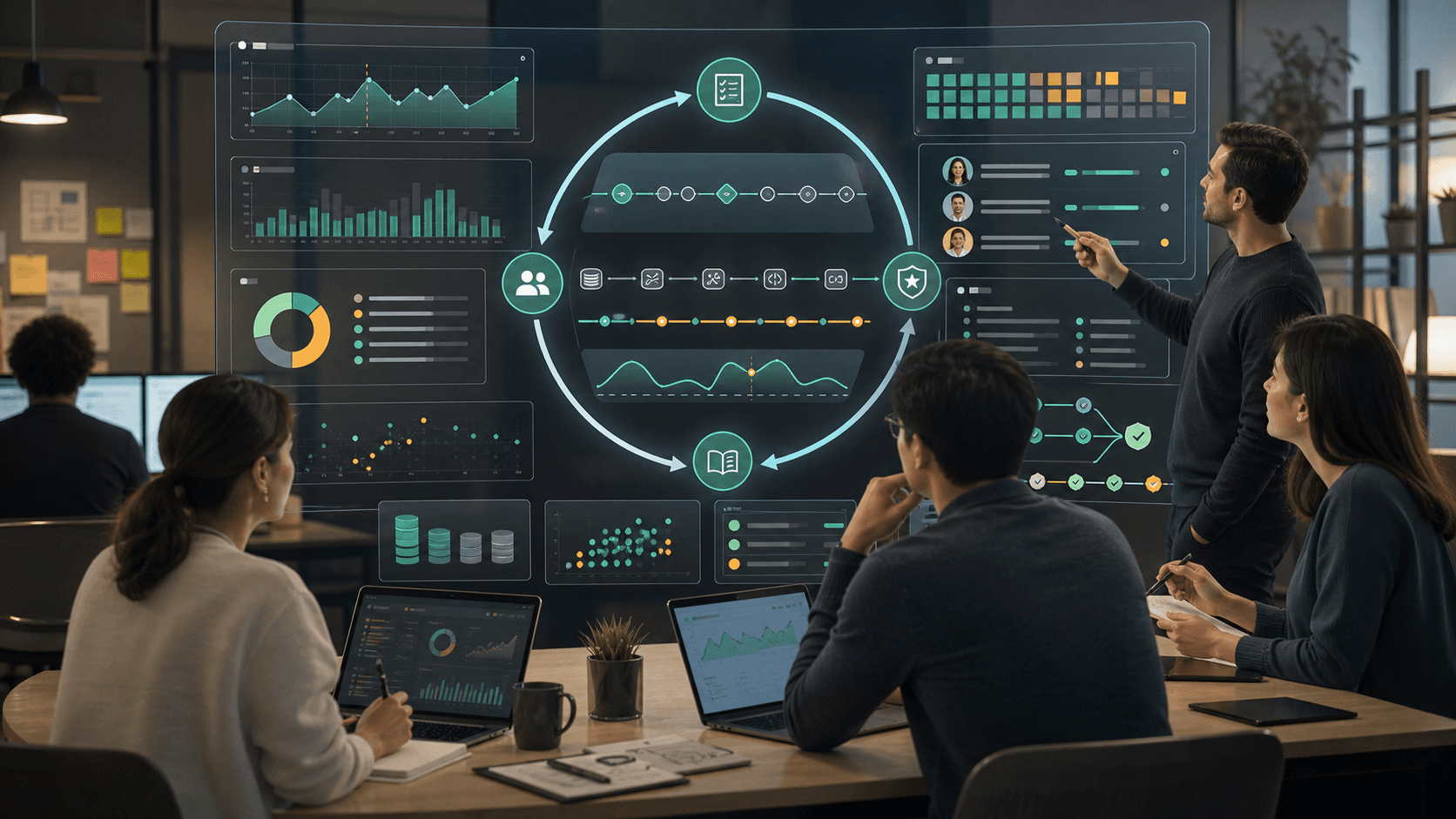
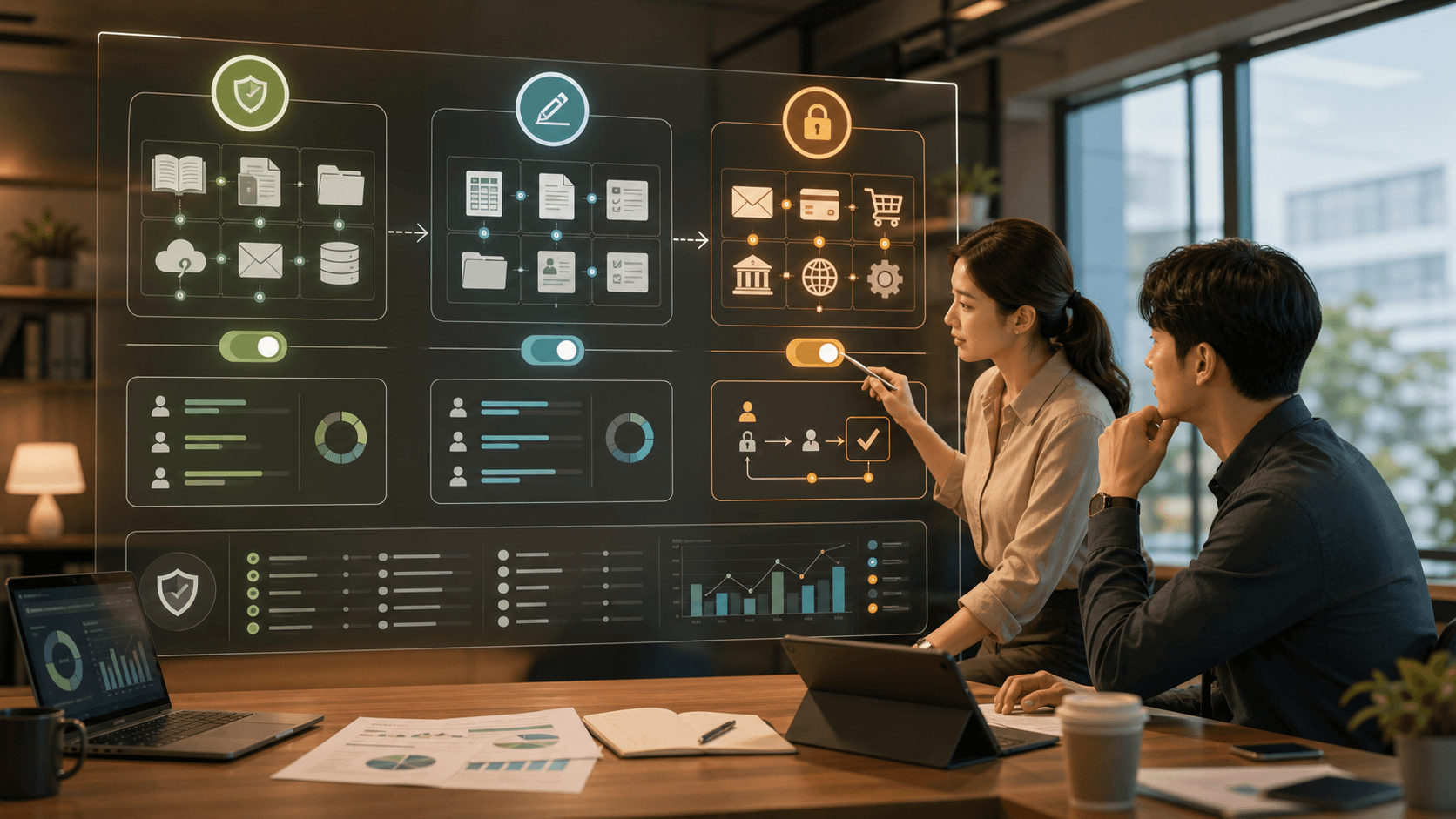
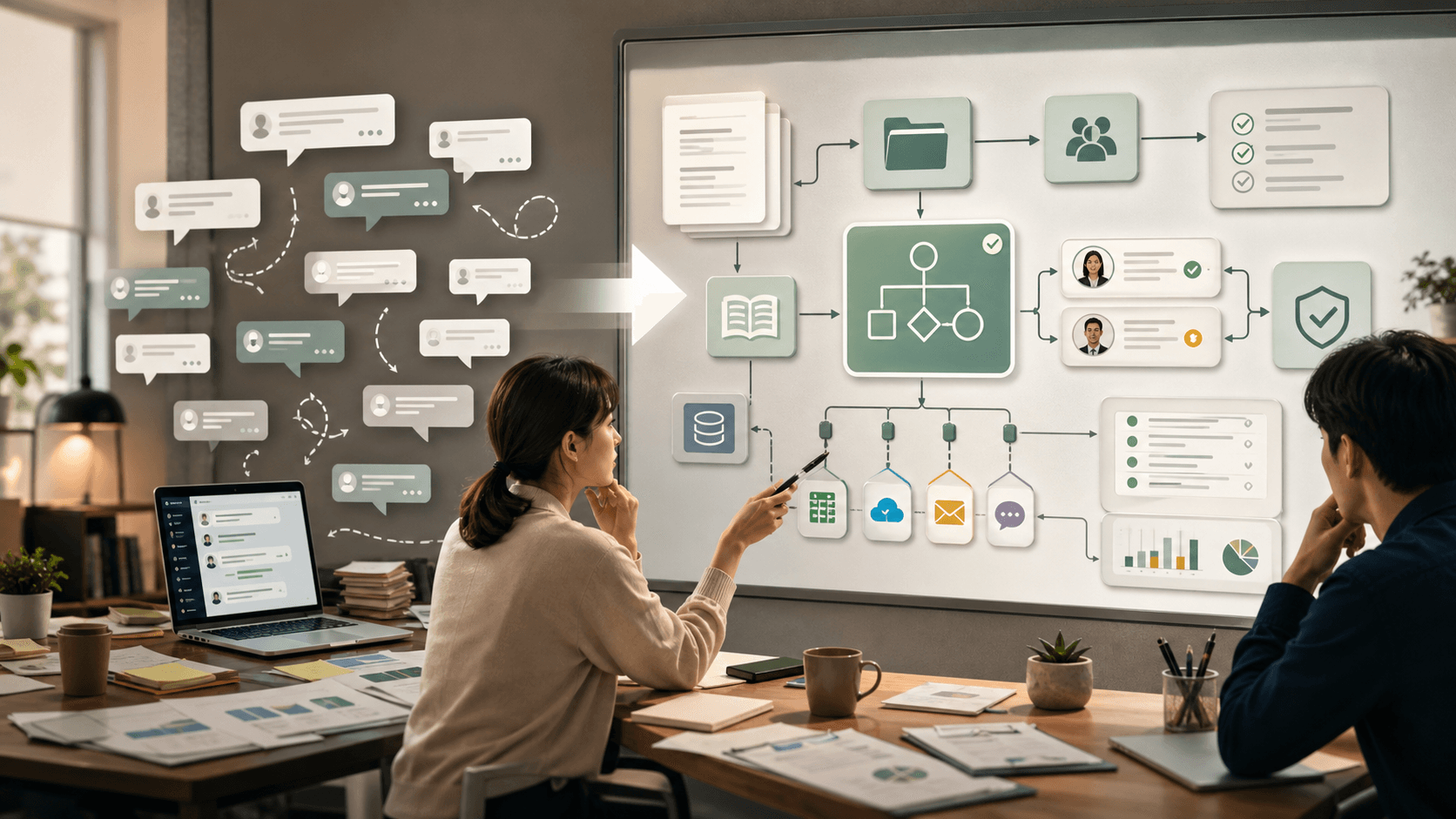
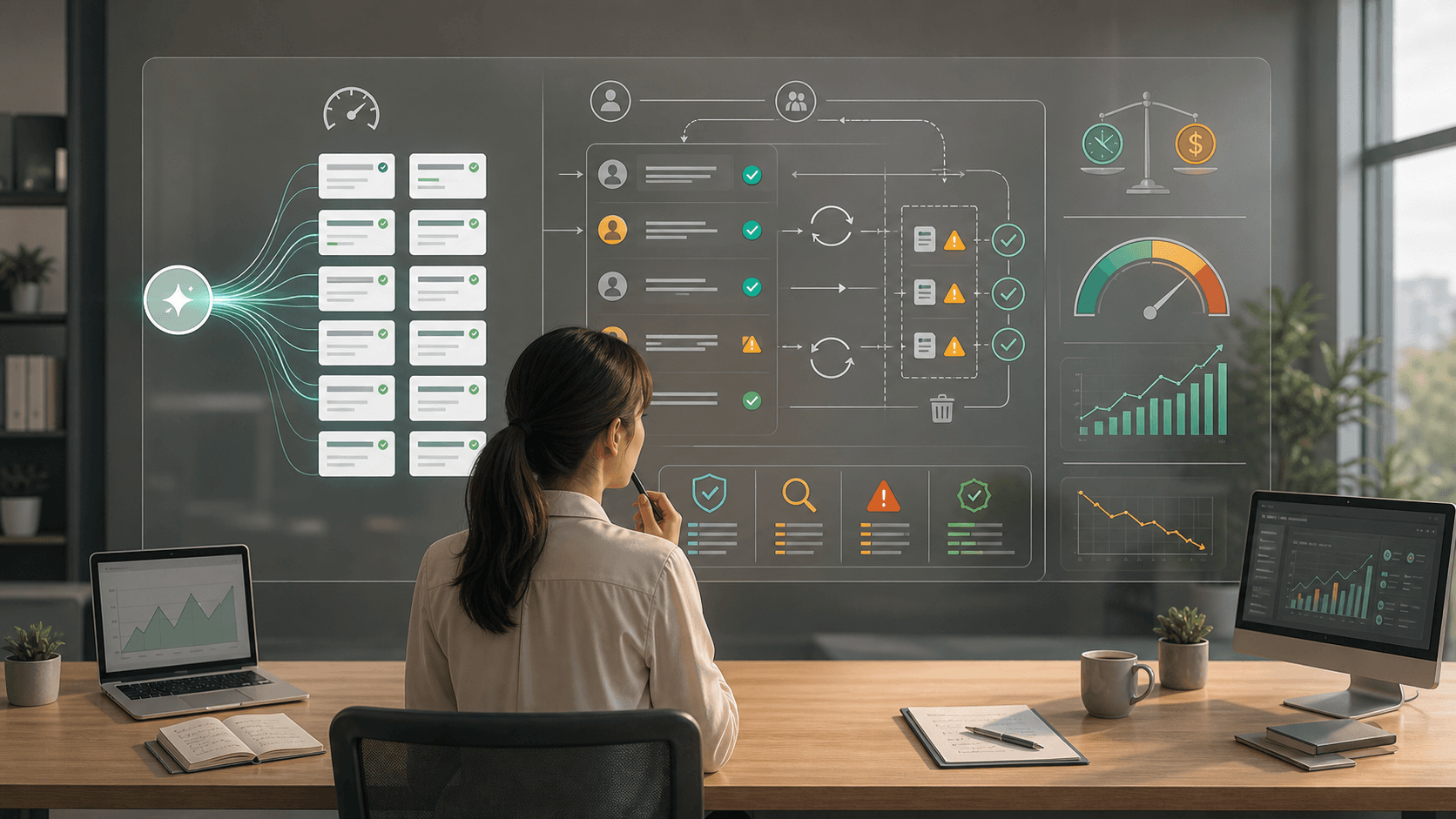
AI agents become useful at work when they can safely read SOPs, meeting notes, customer history, policies, and past decisions. The real work is deciding access, sources, logs, and cloud/local boundaries before automation.